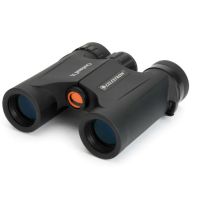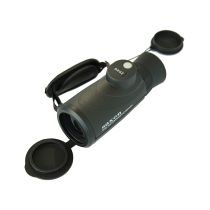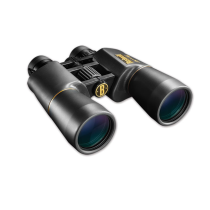
Binoculars & Monoculars
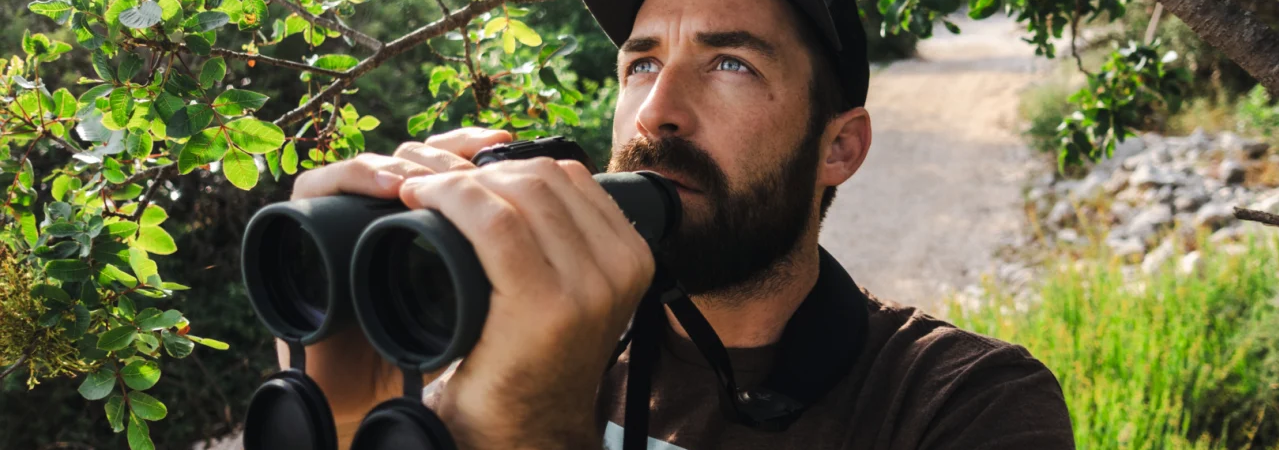
Binoculars & Monoculars
Choosing the right binoculars or monoculars can feel overwhelming—there are hundreds of options across wildly different price points and use cases. At Sirius Optics, our team of astronomers and nature lovers are here to cut through the confusion and help you find the perfect pair for your needs and budget.
Not sure where to start? Visit our Brisbane showroom, try a few pairs side by side, or give us a call. And if you buy online and the binoculars aren't quite right, we offer a 30-day return policy for store credit.
Understanding Binocular Specs: What Do the Numbers Mean?
You'll see binoculars described with numbers like 8x42, 10x50, or 10-30x50. Here's what they mean:
- The first number is the magnification. An 8x42 binocular magnifies 8 times; a 10-30x50 is a zoom binocular ranging from 10x to 30x.
- The second number is the diameter of the front (objective) lens in millimetres. A larger objective lens gathers more light, giving you a brighter image — especially useful in low light conditions like dawn, dusk, or stargazing.
The trade-off: larger lenses mean larger, heavier binoculars. For handheld use, 42mm is a popular sweet spot between brightness and portability.
What Else Should You Consider?
Beyond magnification and lens size, a few other features are worth knowing:
- Waterproofing & fogproofing: Most modern binoculars are sealed against moisture and nitrogen-purged to prevent internal fogging, making them suitable for outdoor use in all conditions.
- Size & weight: Binoculars with 50mm+ objective lenses can become tiring to hold for extended periods. If you plan to use them for birdwatching or hiking, compact or mid-size models are often more comfortable.
- Specialist features: Marine binoculars may include built-in compasses and floating designs; astronomy binoculars prioritise large apertures for maximum light gathering; image-stabilised models reduce shake at higher magnifications.
What About Monoculars?
Think of a monocular as a compact, single-eye alternative to binoculars — lighter, more pocketable, and surprisingly capable. Some people call them "half a binocular", but there's nothing half-hearted about them. Modern monoculars can include night vision technology, smartphone adapters, and even automatic bird and wildlife identification — making them a versatile choice for travellers, hikers, and wildlife enthusiasts.